
The Complete Guide to Building Permits in Toronto & GTA
When you’re planning any construction, renovation, or development project in Toronto, having the right building permit isn’t just a legal requirement — it’s essential for safety, property value, and long-term compliance. Whether you’re adding a second storey, converting your basement, or opening a commercial space, understanding the building permit process in Toronto can save you time, money, and frustration.
In this guide, we’ll walk you through everything you need to know about building permits in Toronto & the GTA: when they’re required, how to apply, what fees and inspections are involved, common pitfalls to avoid, and how working with permit experts, MBC Groups, can make the process smoother. By the end, you’ll feel confident about navigating the rules, submitting a proper application, and getting approval without unnecessary delays.
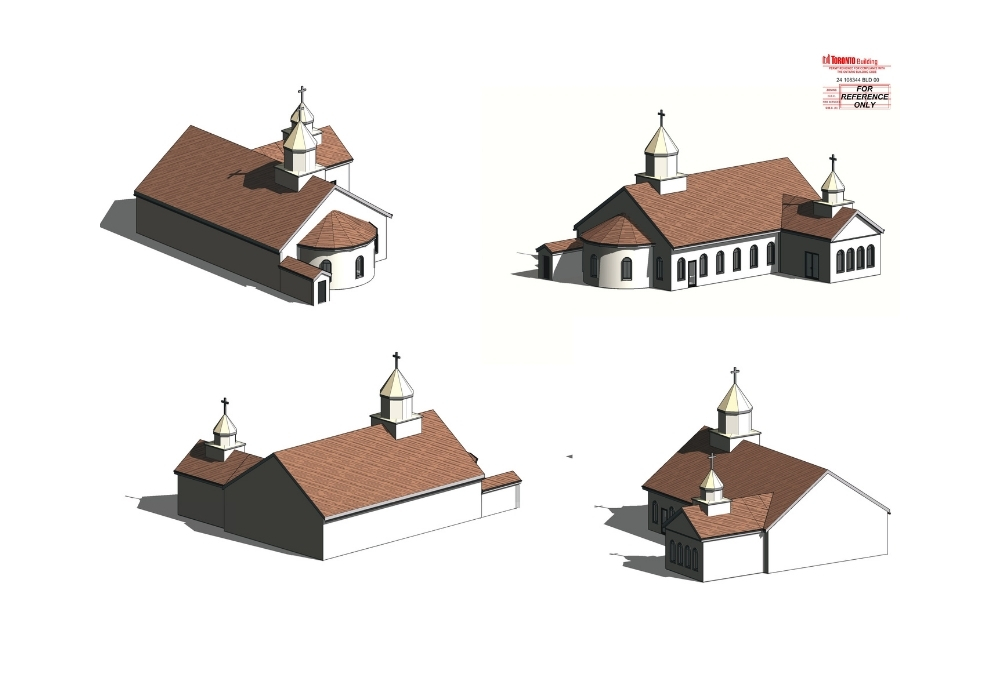
When Do You Need a Building Permit in Toronto?
Knowing when a building permit is required is the first step toward staying compliant and avoiding fines or costly rework. The City of Toronto mandates permits for most construction, demolition, additions, or major renovations.
Projects That Require a Permit
- You’ll typically need a Toronto building permit if your project involves:
- Structural changes or additions (e.g. building a second storey, enclosing a porch)
- Demolition or removal of parts of a building (walls, roof structures, etc.)
- Work involving plumbing, electrical, HVAC, or mechanical systems that alter existing setups significantly
- New construction — whether residential, commercial, or accessory buildings (e.g. garden suites, laneway suites)
When a Permit Is Not Required
Not all construction requires a permit. Small, minor works often fall under exemption. Examples of projects that may be exempt:
- Minor repairs or maintenance that do not change structure, occupancy, or plumbing/electrical layout.
- Small accessory structures under specified size limits (depending on city zoning).
-
Temporary structures, depending on how they are defined in local bylaws.
(It’s always safest to verify with the City of Toronto or a qualified professional whether your specific project needs a permit.)
Zoning & Applicable Laws
Several legal frameworks influence whether you need a building permit and how your application will be evaluated:
- Ontario Building Code: Establishes minimum safety, health, accessibility, and structural standards.
- Toronto Zoning Bylaws: Govern land use, building heights, lot sizes, setbacks, and other use restrictions.
- Applicable Laws & Variances: If your project doesn’t comply with existing zoning bylaws (e.g., setback, lot coverage), you may need to apply for a variance or engage in a zoning review.
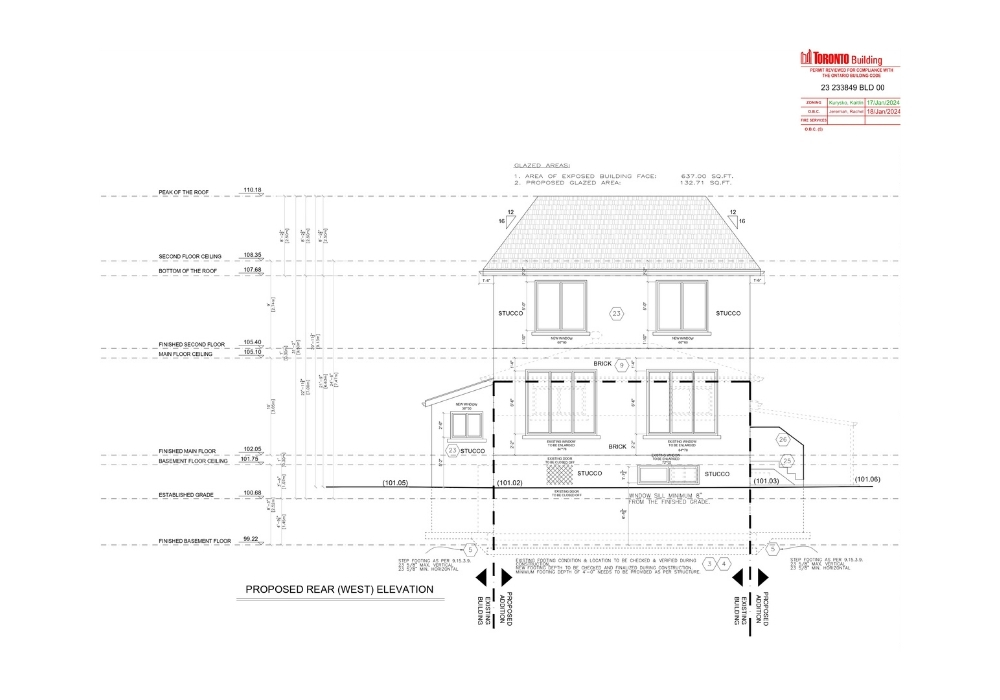
Step-by-Step Building Permit Process in Toronto
Understanding how the Toronto building permit process works helps you plan ahead and avoid costly mistakes. Here’s a clear breakdown of each stage:
Step 1: Prepare Your Plans and Documents
Before applying, you must have complete and accurate drawings that comply with the Ontario Building Code and local zoning bylaws.
Typical requirements include:
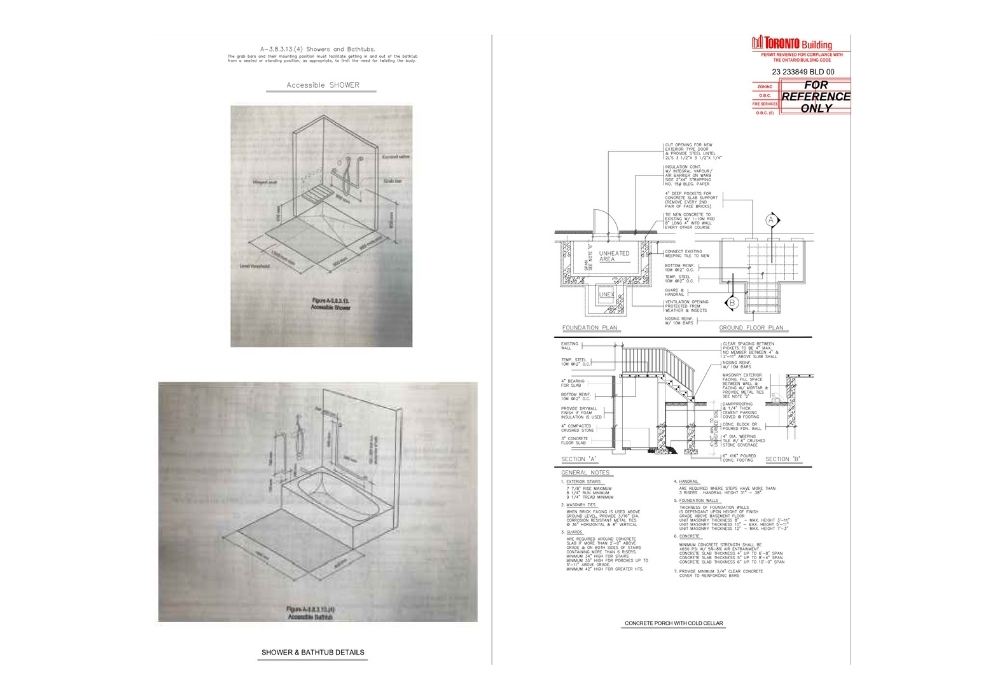
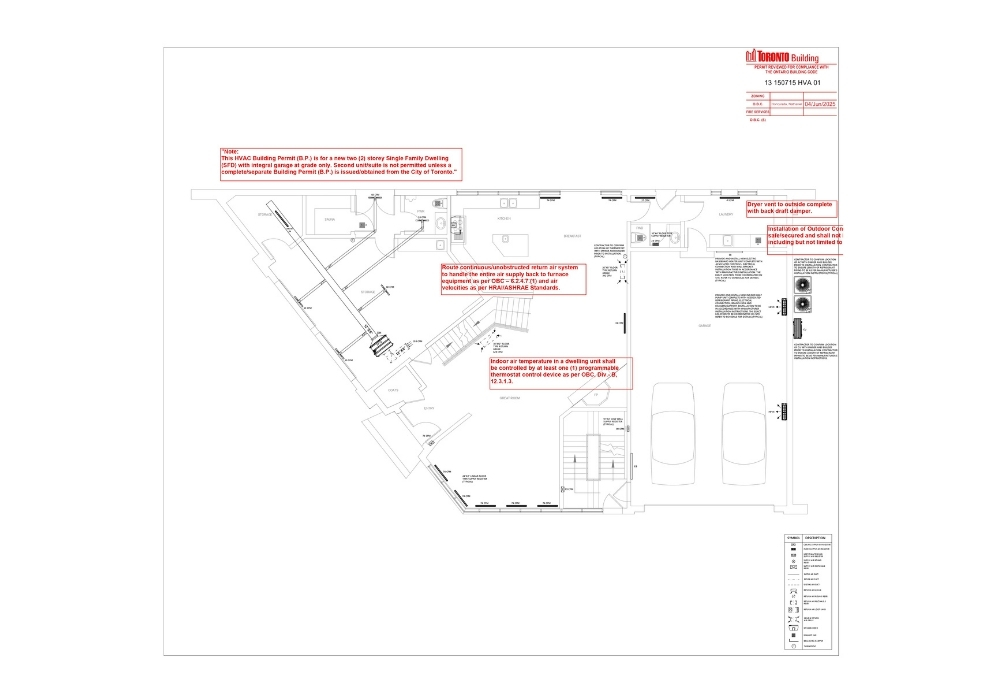
- Architectural drawings (floor plans, elevations, site plan)
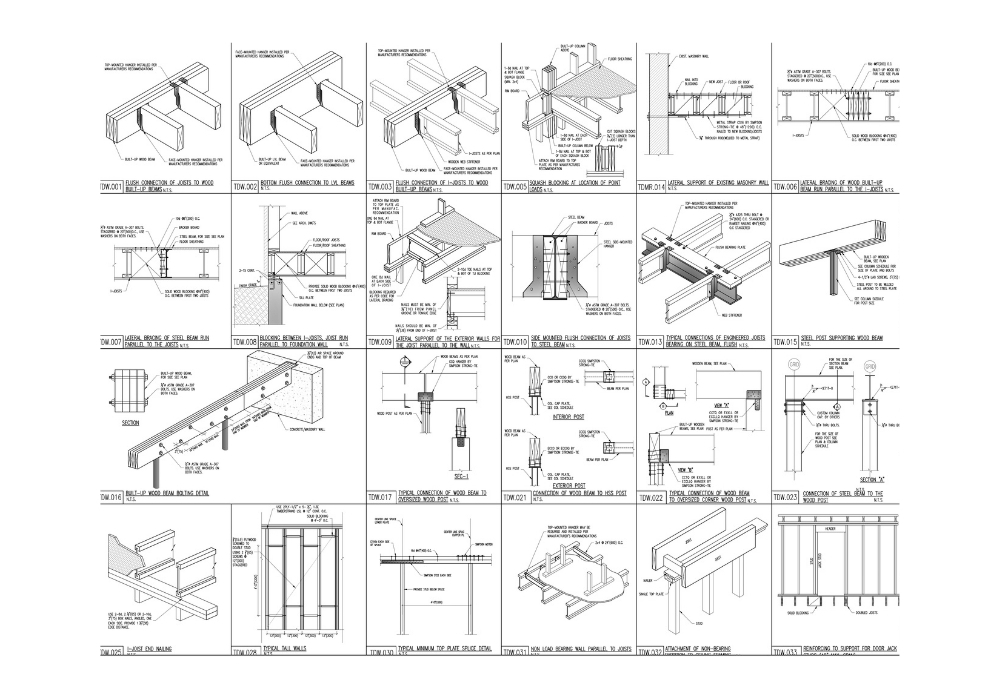
- Structural drawings (if load-bearing elements are changed)
- Mechanical, plumbing, and HVAC details
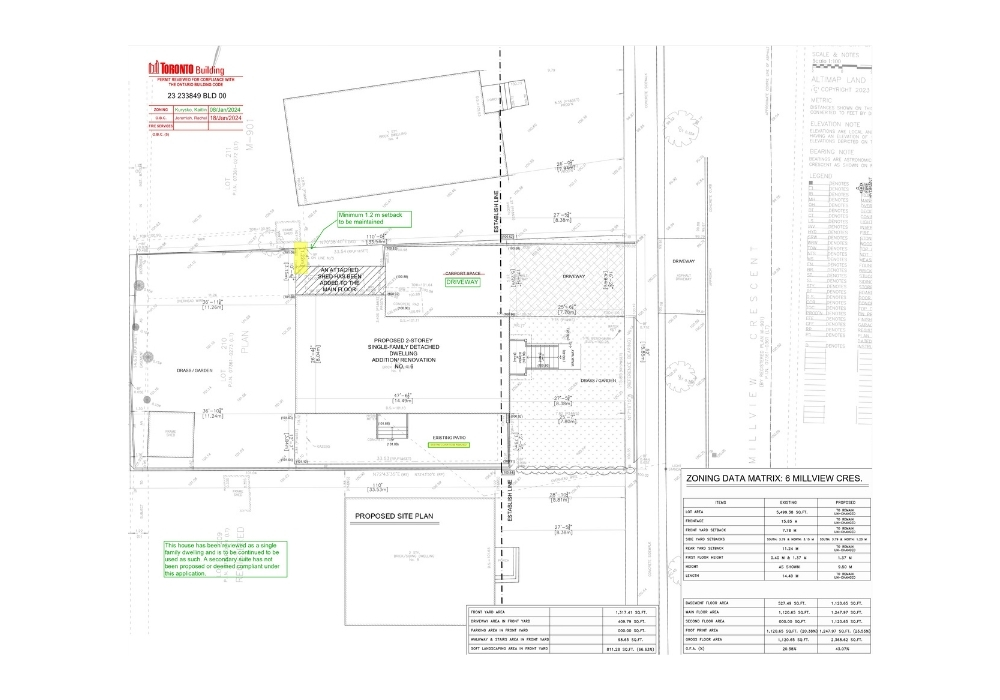
- Site plan survey showing property boundaries and setbacks
- Energy efficiency reports (for new builds or major renovations)
Step 2: Submit the Application
You can apply for a building permit online through the City of Toronto’s Building Permit Portal or submit in person.
Applications usually include:
- Application form
- Drawings and documentation
- Payment of initial fees
Once received, your submission enters intake review, where city staff check that your application is complete.
Step 3: Application Review & Plan Examination
City examiners review your plans for compliance with:
- Ontario Building Code
- Toronto Zoning Bylaws
- Fire Code
- Heritage, Conservation, and Environmental Regulations
If your plans meet all requirements, your permit will be approved.
If not, you’ll receive feedback on what corrections are needed before resubmission.
Typical review times:
- Residential projects: 10–15 business days
- Commercial projects: 20–30 business days
- Complex or multi-unit buildings: 30+ business days
(These timelines can vary depending on project size, season, and staff workload.)
Step 4: Receive Your Building Permit
Once approved, you’ll receive an official permit card, which must be displayed on-site before work begins.
This card outlines the scope of work, inspections required, and key reference numbers.
Work without a permit can result in:
- Stop-work orders
- Fines or legal penalties
- Difficulty selling or insuring your property later
Step 5: Schedule Inspections
Throughout construction, inspections are required to confirm the work follows approved plans and building code standards. Examples include:
- Foundation inspection
- Framing inspection
- Plumbing/mechanical inspection
- Final occupancy inspection
After all inspections pass, you’ll receive final occupancy approval or completion certificate — your project is now officially compliant.
Building Permit Fees in Toronto
Permit fees depend on project type, floor area, and complexity. Here’s an approximate guide (based on City of Toronto fee structure):
| Project Type | Estimated Fee (Approx.) |
|---|---|
| Small Home Renovation (under 300 sq.ft.) | $6,500 |
| Major Residential Addition | $8,000 |
| New Residential Build | $9,000 |
| Commercial Interior Renovation | $9,000 |
| New Commercial Building | $14,000 |
These are average estimates; actual fees vary depending on scope and review time.
Budget an additional 10–15% for revisions, professional drawings, and inspections. Working with a qualified permit service provider like MBC Groups can reduce unexpected costs by ensuring documentation accuracy.
Common Reasons for Building Permit Delays or Rejection
Even well-planned projects can face approval delays if certain details are overlooked. Here are the most frequent causes:
- Incomplete Drawings or Missing Documents – Submitting partial or unclear plans.
- Non-compliance with Zoning Bylaws – Issues with setbacks, lot coverage, or use type.
- Design Errors – Drawings that don’t meet Ontario Building Code or structural standards.
- Incorrect Application Type – Applying for “renovation” when the work qualifies as “new construction.”
- Unpaid Fees – Applications are paused until all required fees are paid.
- No Professional Review – Submitting unsealed drawings or skipping pre-consultation.
MBC Groups’ permit specialists pre-check all applications to ensure compliance, preventing these delays and ensuring faster approvals.
Residential vs Commercial Building Permits in Toronto
Though the core process is similar, residential and commercial permits differ in scope and technical requirements.
Residential Building Permits
Covers:
- Home additions
- Basement finishing
- Garage or deck construction
- Secondary suites or laneway homes
Key focus: safety, energy efficiency, structural stability, and zoning compliance for residential zones.
Commercial Building Permits
Covers:
- Office renovations
- Retail, restaurant, and warehouse fit-outs
- Multi-unit or mixed-use developments
Requires additional reviews for:
- Fire exits and life safety systems
- Accessibility and public safety
- Occupancy classification changes
Note: Commercial applications often require multiple disciplines (architectural, mechanical, electrical) and longer review times.
How to Speed Up Your Building Permit Approval in Toronto
Getting your building permit approved quickly can make a major difference in your project timeline. While the City of Toronto follows defined review times, several factors influence how long it actually takes — and many are within your control.
1. Submit Complete & Accurate Documentation
Ensure your architectural and structural drawings are clear, detailed, and properly sealed by a licensed professional. Missing information or unclear designs are the #1 cause of delays.
Use professional permit drawing services like MBC Groups to ensure your submission meets every requirement.
2. Verify Zoning Compliance Before Submitting
Many applications get delayed when the project doesn’t comply with zoning bylaws. Always confirm setbacks, lot coverage, height limits, and use type.
If needed, request a zoning certificate of occupancy or minor variance through the Committee of Adjustment.
3. Choose the Correct Review Stream
Toronto offers multiple permit review streams:
- Regular Stream – Standard review (most projects)
- Expedited Stream – For small residential projects with compliant designs
- Certified Professional (CP) Program – For large, complex buildings with certified oversight
Choosing the right stream ensures your application lands with the correct department immediately.
4. Respond Promptly to City Requests
When reviewers ask for revisions, respond quickly with complete corrections. Slow replies extend processing time.
5. Hire a Building Permit Company
Permit expeditors or consultants handle all coordination, communication, and documentation for you.
They know exactly how to prepare compliant applications and communicate with city staff effectively.
MBC Groups’ building permit experts specialize in fast approvals for residential, commercial, and industrial projects across the GTA — from design to final inspection.
The Role of Building Permit Expediters and Consultants
Building permit expediters act as your project’s guide through the complex municipal approval process.
They save time, reduce stress, and prevent rejections due to documentation errors.
Key Responsibilities Include:
- Reviewing drawings for code compliance
- Coordinating with architects, engineers, and planners
- Submitting permit applications on your behalf
- Communicating with city departments
- Managing revisions and re-submissions
- Tracking approval status until final issuance
Why use an expeditor?
Most property owners and contractors don’t have time to handle repeated city feedback or navigate zoning variances. A professional permit consultant eliminates that hassle — and accelerates the entire process.
FAQs: Building Permits in Toronto
Q1: How long does it take to get a building permit in Toronto?
Residential permits typically take 10–15 business days; commercial projects may take 20–30 days or longer. Complex or multi-unit projects can take several months.
Q2: Can I start construction without a building permit?
No. Doing so can lead to stop-work orders, legal fines, and costly rework. Always wait for permit approval before beginning construction.
Q3: How do I check my building permit status?
You can track your permit online through the City of Toronto’s ePortal using your application number.
Q4: Do I need a permit for small renovations?
Small cosmetic updates (painting, flooring, cabinetry) typically do not require a permit.
However, any work involving plumbing, structural, or electrical changes usually does.
Q5: Can MBC Groups help if my building permit is denied?
Yes — MBC Groups reviews the denial reasons, revises your drawings, and resubmits your application for re-approval.
Why Work with MBC Groups for Building Permit Services in Toronto
Obtaining a building permit in Toronto can feel overwhelming — but it doesn’t have to be.
At MBC Groups, we simplify every step of the process with expert guidance, accuracy, and fast turnaround.
Our Expertise Includes:
- Permit acquisition for residential, commercial, and industrial projects
- Expert design & drawing preparation
- Zoning compliance and variance assistance
- Full coordination with city officials
- End-to-end permit management — from design to occupancy
We deliver:
- Accurate Documentation — minimizing revisions
- Faster Approvals — through proactive coordination
- Transparent Process — clear communication at every stage
Whether you’re building a custom home, planning a commercial renovation, or expanding an industrial facility, MBC Groups helps you move forward confidently and legally.